
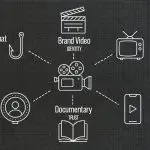
The Video Landscape – Six Formats, Six Different Jobs
June 22, 2026
There Is Still No Magic Button
October 1, 2026
What This Podcast Keeps Teaching Me
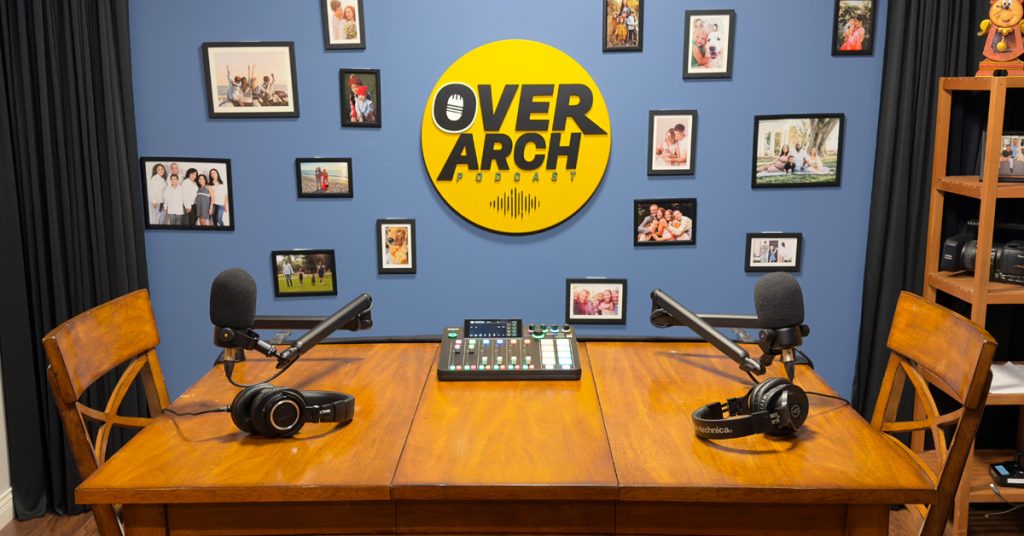
Quite often after recording a podcast, I hear the same phrases. It was fun. It didn’t even feel like we were recording. I really could be myself. I think that’s one of the highest compliments I could have in this job, and it’s one of the main reasons why I wanted to start a podcast.
The part of the work that matters most
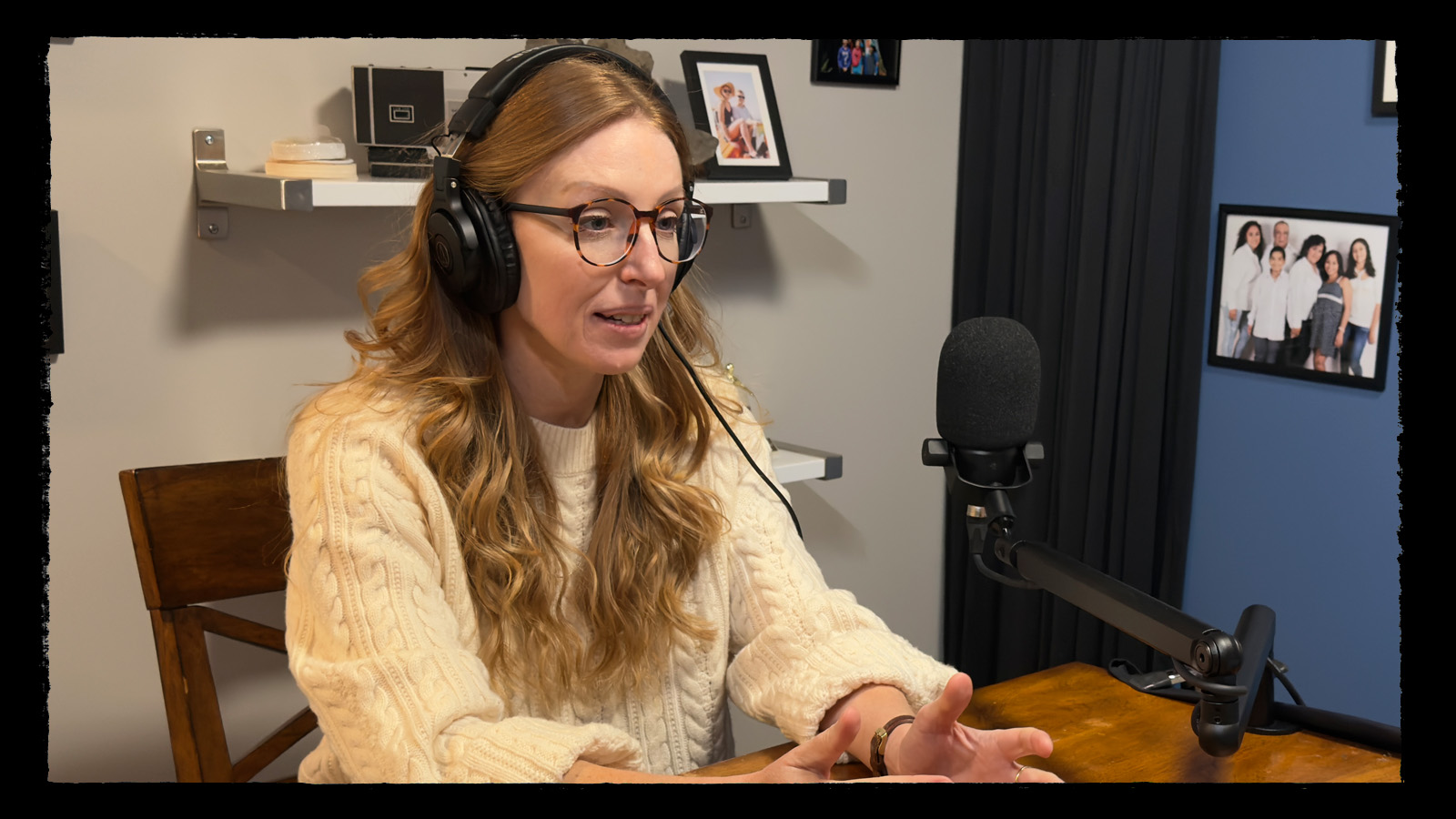
I’ve been directing behind the camera for more than twenty years now. Cameras have changed, formats have changed, and delivery specs have changed every eighteen months. The one thing that has never changed is that the content is only as good as how present the person on screen actually was.
This has nothing to do with lighting. It can’t be fixed in post. It was either present for the camera to capture or it wasn’t.
What creates it isn’t technique in the usual sense. It’s being genuinely interested in the person sitting across from me, and letting the conversation be a conversation rather than a transaction with a shot list attached. People can tell the difference immediately. They relax into the first one and perform through the second.
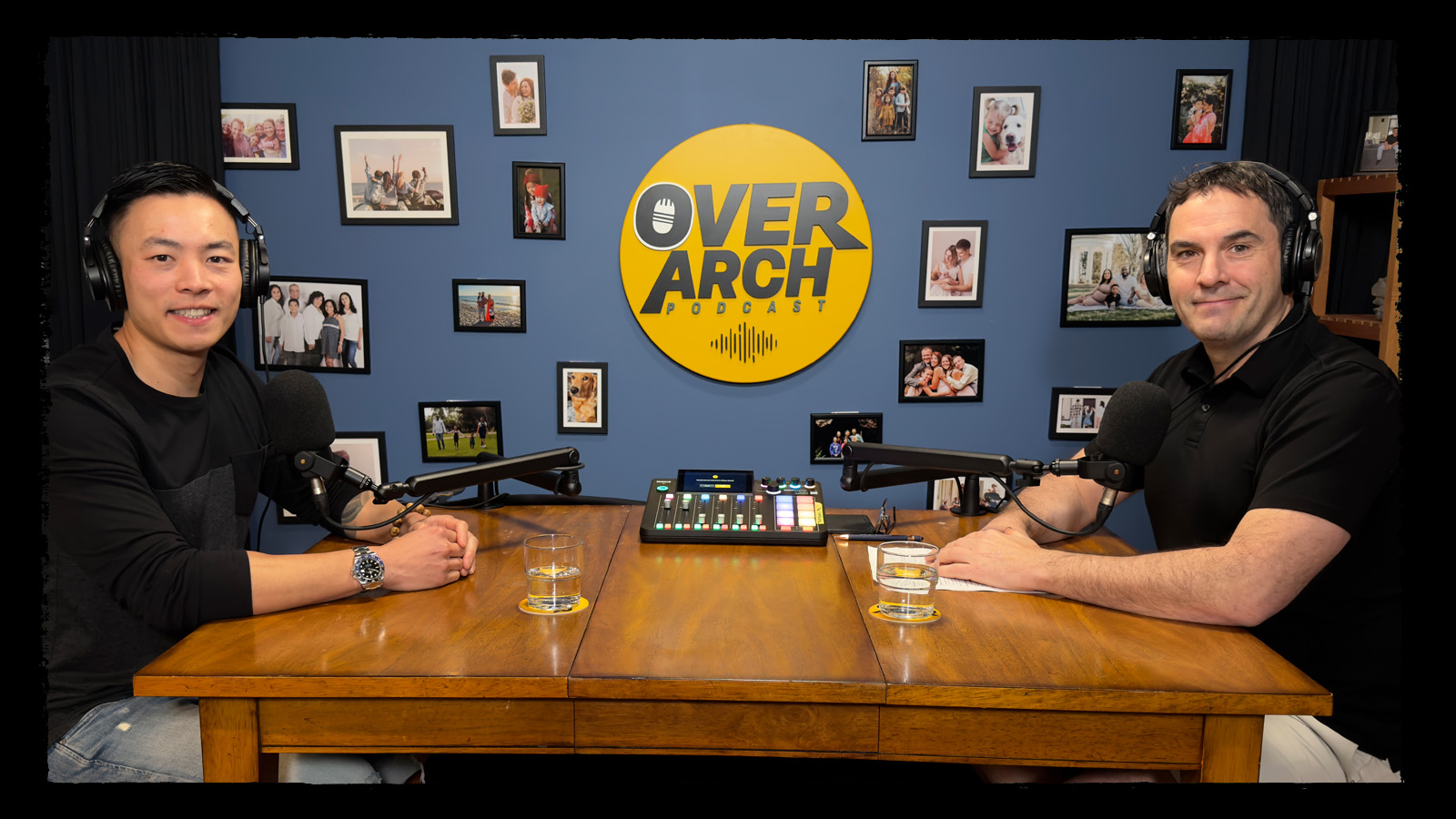
So I started OverArch, on my own schedule, as a way to do more of the thing that matters most. More often, with more kinds of people.
What the conversations give back
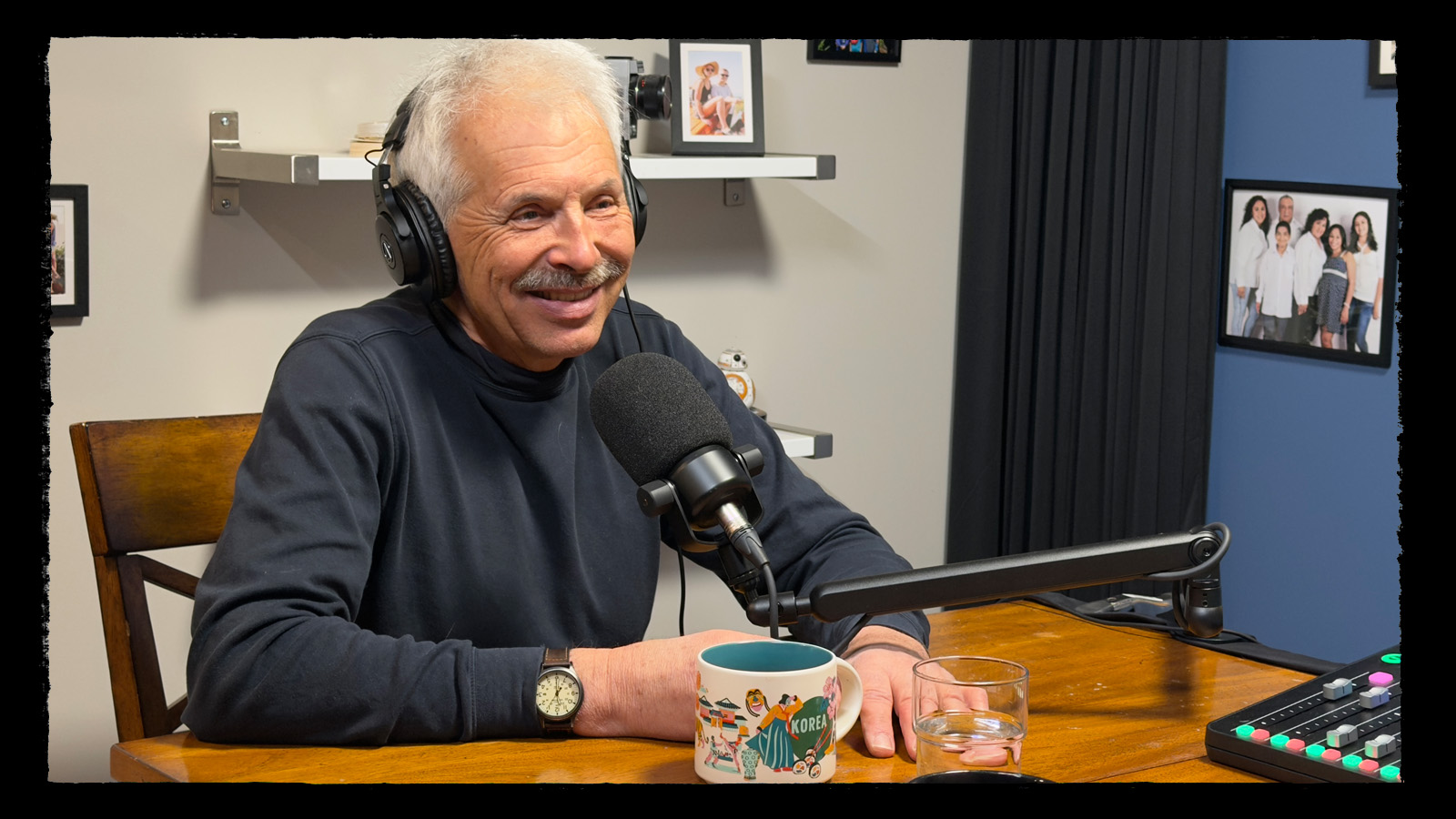
I’ve been involved in helping produce three shows now. OverArch is my own. Her Body In Mind and Better Sports Parents are shows I help produce. Between them, I sit down with people whose working lives look nothing like mine.
I didn’t anticipate how much that would change me rather than just my skills.
Every guest is an expert in something I know nothing about, and every one of them has spent years thinking carefully about a problem I’ve never had to consider. Sitting in that, week after week, is an education I couldn’t get any other way. Tanya Maahs (Episode 11) said something that I’ve thought about since: “There is no reason, in this day and age, for us to not be self-learning.” She was talking about her own field. I took it personally, and she was right.
Matt Young (Episode 10) put it another way. “If you see a problem and nobody else wants to solve it… maybe it’s your responsibility to step up.” That’s not the kind of line that comes out of someone who’s performing. It comes out of someone who’s stopped thinking about the microphone.
Where it shows up in the rest of my work
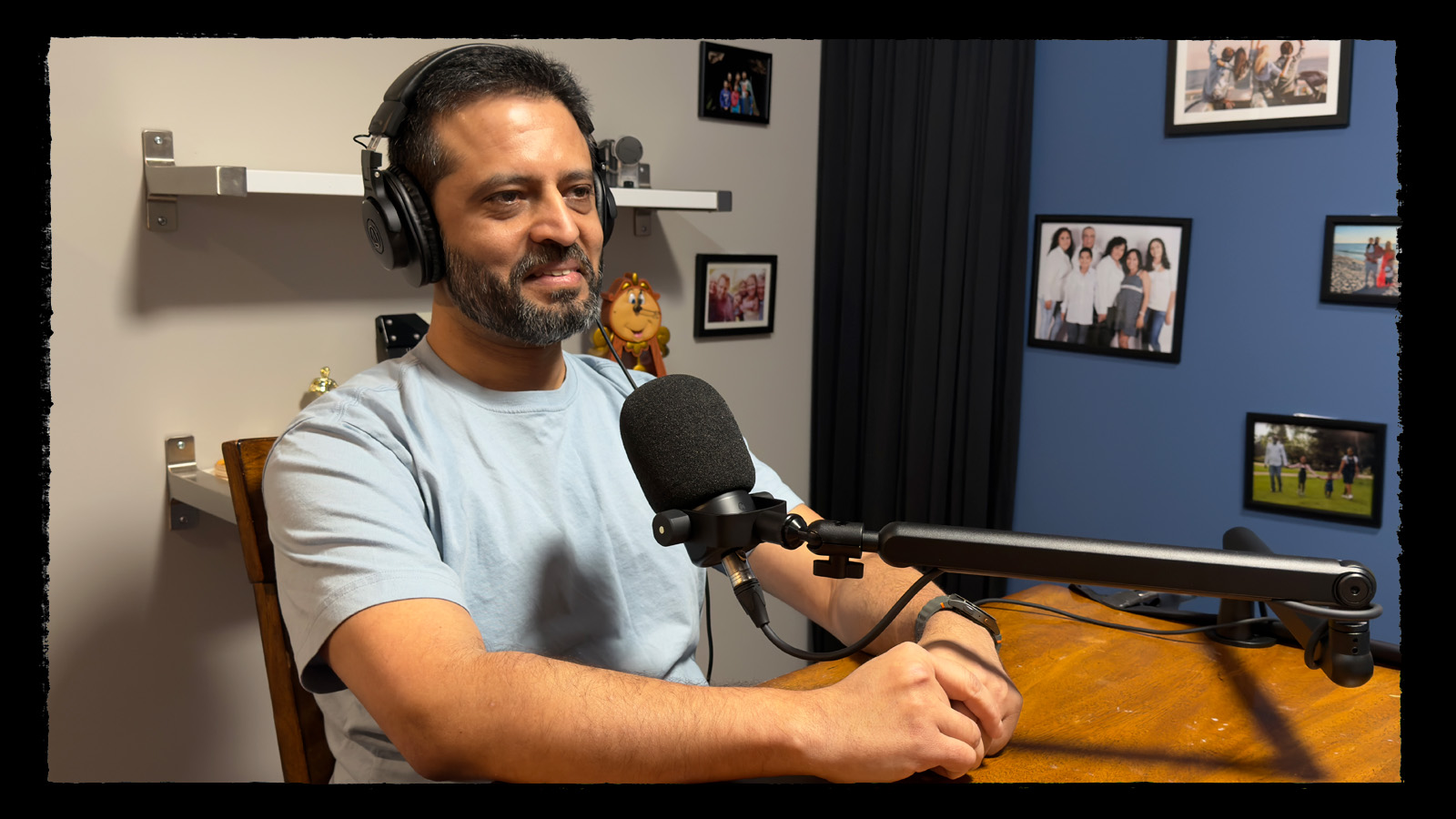
Nine times out of ten, in the corporate landscape especially, the person a company wants on camera is perfectly good at talking. What they’re not good at is being watched while they recite something. Give them a real conversation instead, and let them talk about the work they’ve given their career to, and they’re compelling without trying.
Getting people there faster, and more reliably, is the practical skill the podcast has sharpened. Not a trick. Just a lot of repetitions at making a room feel comfortable, so that by the time the camera’s rolling, nobody’s thinking about it.
There’s a technical side to it too. Running my own show means every part of the process I offer has been tested on me first. Multi-camera sync, colour matching between cameras, captions, vertical cuts, thumbnails that survive a crowded feed. I didn’t read about those problems. I hit them on my own release schedule, with nobody to blame, and worked them out … and still working them out.
Why it sits alongside everything else
In episode 14, Owen McBride said something about competition that stuck with me. “When everyone has access to the same technology, what separates you is not the product. It is who people want to work with.”
That’s true of the work as well as the people making it. Anyone can buy the cameras. The difference is whether the person on screen sounds like themselves.
Podcast production sits alongside the rest of what I do now because it was never really a detour. It’s the same craft as everything else, practised more often, with the repetitions done on my own time instead of someone else’s.
And every so often somebody stands up after a session, says they had a great time and forgot they were being recorded, and I remember exactly why I picked this career in the first place.
